
What is an At-Risk Youth Program
How Job Training Changes Lives and Strengthens Communities
Young people facing unstable housing, academic struggles, or limited career exposure are often labeled “at-risk,” but research consistently shows that with structured support and opportunity, these teens can thrive. At-risk youth programs exist to remove barriers, build skills, and connect teens to mentorship, education, and long-term career pathways.
One of the most transformational components of these programs is youth job training, especially when delivered through a mission-driven youth development nonprofit. Evidence shows that high-quality training and workforce development experiences can significantly improve employment outcomes, confidence, and community stability within any effective at-risk youth program.
Below is a research-supported look at how these programs work — and why they matter.
What is an At-Risk Youth Program?
An at-risk youth program is a structured support system designed to help teens overcome risk factors related to academics, behavior, family instability, or poverty.
These programs focus on:
- Mentorship
- Academic support
- Social emotional wellness
- Skill development
- Career exposure
- Safe environments
Research validates this holistic approach, showing that Positive Youth Development strategies improve mental health, education, and employment outcomes by focusing on a young person’s strengths, relationships, and opportunities for growth.¹
Similarly, research emphasizes the importance of evidence-based programs that support healthy youth development by improving social, emotional, and academic milestones.²
Why Youth Job Training Is a Life-Changing Tool
While emotional support and academic guidance matter, job training offers something equally powerful: economic mobility.
-
1. Job Training Builds Confidence and Workforce Identity
Early employment experiences help teens build worker identity, motivation, and job readiness — all key predictors of long-term career success.³
-
2. Real Experience Leads to Real Jobs
Youth workforce development programs significantly increase earnings and open doors to quality jobs for young people.⁴
-
3. Income Helps Teens Build Stability
Paid youth work experiences reduce risky behavior, improve financial stability, and help teens build important soft skills.⁵
-
4. Career Exposure Opens Pathways
Career exploration in youth programs strengthens academic motivation and creates clearer future pathways.⁶

The Role of Youth Development Nonprofits
A youth development nonprofit provides teens with consistent mentors, structured learning, job exposure, and emotional support — all factors proven to support healthy development.
Research shows that young people thrive when programs combine skill building, identity development, and strong adult relationships, which are foundational elements of a successful at-risk youth program.⁷
Nonprofits like Better Bound Book Store & Youth Development offer exactly this — literacy, creativity, hands-on job training, and community connection in a safe, supportive environment.
Workforce Development for Teens: What the Research Shows
Workforce development for teens has measurable long-term benefits:
- Early work experience helps build career readiness and positive long-term economic mobility.³
- Programs that combine job training, mentoring, and ongoing support help marginalized youth transition more successfully into employment.⁸
- Youth apprenticeship models — when well-designed — lead to measurable advancement in high-quality jobs.⁹
Community Youth Programs Strengthen Neighborhoods
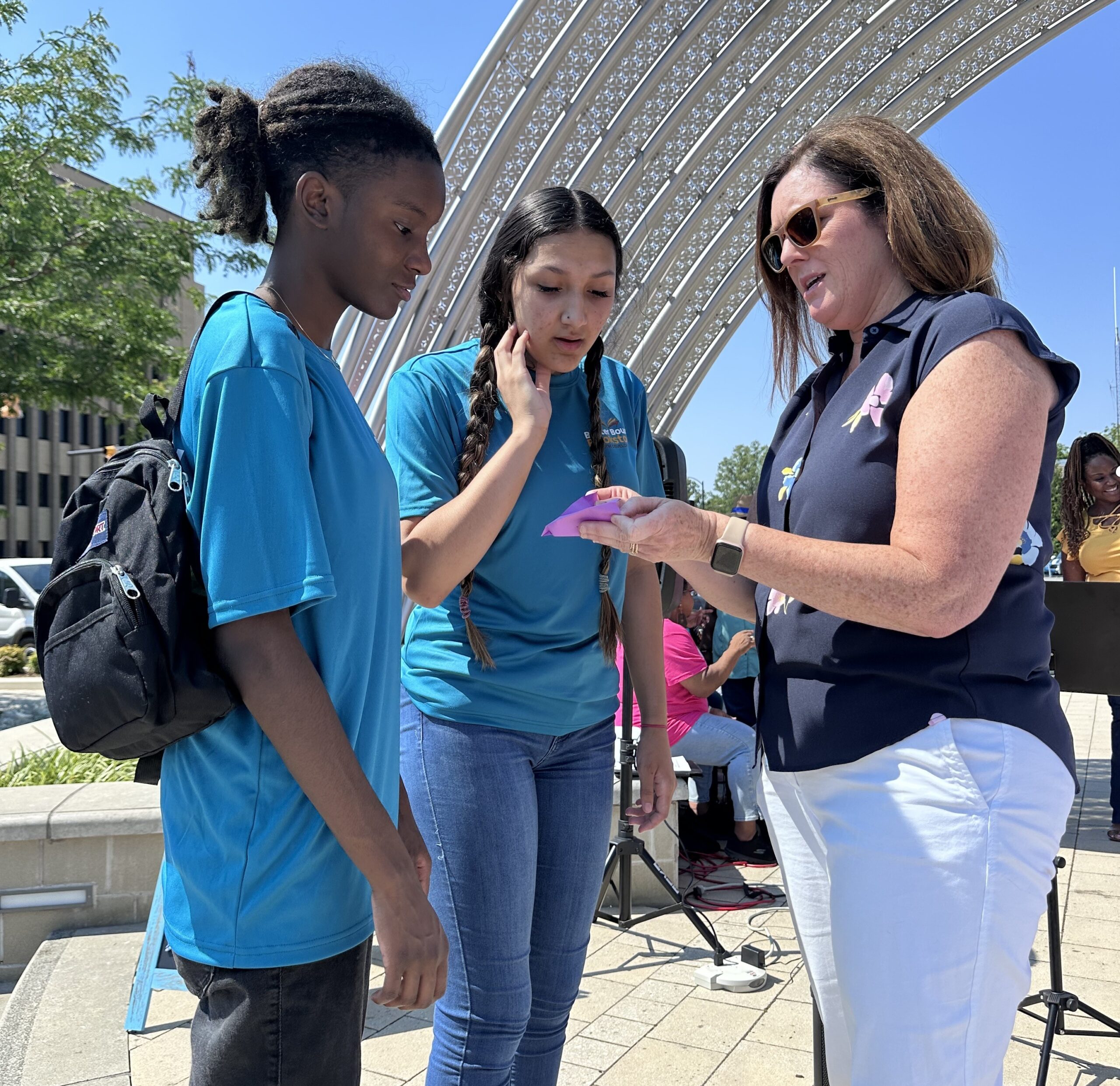
High-quality community youth programs don’t just help individual teens — they create lasting positive impact across neighborhoods.
Out-of-school time programs offer safe, supportive spaces that improve social-emotional development, academic success, and long-term skill building.⁶
Research also shows that when teens feel connected to community programs, outcomes in decision-making, social skills, and relationships all improve.¹⁰
Conclusion: Job Training Changes Lives — and Communities
The research is clear: at-risk youth programs are most effective when they include youth job training, caring mentors, skill-building, and community connection.
These programs:
- Increase earnings and long-term job stability
- Reduce risky behavior
- Strengthen emotional and academic outcomes
- Build safer, more connected communities
- Inspire teens to discover who they can become
Better Bound Book Store & Youth Development is part of that impact — helping young people build confidence, leadership, and life-changing opportunities one skill at a time.
Sources
- Child Trends — https://www.childtrends.org
- Annie E. Casey Foundation — https://www.aecf.org
- WorkRise Network — https://www.workrisenetwork.org
- Youth Workforce Development Research (Year Up / Youth Corps studies) — https://www.urban.org
- MIT News (Summer Youth Employment Study) — https://news.mit.edu
- National Academies of Sciences — https://www.nationalacademies.org
- America’s Promise Alliance / Center for Promise — https://www.americaspromise.org
- Youth Futures Foundation — https://www.youthfuturesfoundation.org
- Mathematica — https://www.mathematica.org
- New York State Department of Health (Rochester READY Study) — https://www.health.ny.gov