Essential Life Skills Teens Need Before Entering the Workforce
Developing life skills for teens is an important part of preparing young people to enter the workforce and take meaningful steps toward independence.
These skills can help young people communicate effectively, manage responsibilities, solve problems, work with others, and make thoughtful decisions. They can be especially important for at-risk youth who may face additional barriers as they prepare for employment and adulthood. At Better Bound Bookstore & Youth Development, helping at-risk youth develop practical life and employment skills is an important part of preparing them for stronger, more independent futures.
Technical abilities can often be learned on the job. The habits and behaviors that help someone become dependable, adaptable, and professional usually develop through practice, guidance, and real-world experience. For at-risk teens preparing for their first jobs, opportunities to develop these skills in a supportive environment can make the transition into the workplace more manageable and help build confidence along the way.
Why Are Life Skills Important for At-Risk Teens Entering the Workforce?
Life skills for teens help young people manage the responsibilities, relationships, decisions, and expectations they encounter at work and in everyday life.
For at-risk youth, these abilities may be particularly valuable. Some young people enter the workforce without consistent access to mentors, previous job experience, professional role models, transportation, financial knowledge, or other resources that can make the transition to employment easier.
Employers need workers who can arrive on time, follow directions, communicate respectfully, work as part of a team, respond appropriately to feedback, and take responsibility for their actions. These job readiness skills can be valuable whether a teenager works in retail, food service, an office, a trade, or another industry.
Developing these abilities also prepares at-risk teens for responsibilities beyond employment. Building life skills for teens such as managing money, making decisions, organizing a schedule, and solving everyday problems can contribute to greater independence as young people transition into adulthood.
1. Communication and Active Listening
Strong communication is one of the most important life skills for teens because nearly every workplace requires interaction with supervisors, coworkers, or customers.
Good workplace communication includes speaking respectfully, asking questions when instructions are unclear, listening carefully, and knowing how to communicate concerns appropriately.
Active listening is equally important. A teenager who listens to instructions, confirms what is expected, and asks thoughtful questions is less likely to make avoidable mistakes.
For at-risk youth who may have had limited exposure to professional environments, practicing these teen professional skills can help build confidence when communicating with employers, coworkers, customers, and other adults.
2. Time Management and Reliability
Showing up consistently and on time sends an important message: other people can depend on you.
Time management involves more than arriving for a scheduled shift. Teens may need to balance school, work, transportation, family responsibilities, appointments, and other commitments. For some at-risk teens, transportation limitations or challenging circumstances at home can make managing these responsibilities more difficult.
Developing life skills for teens around scheduling and organization can teach young people to plan ahead instead of constantly reacting to what happens next.
Practical habits include using a calendar, setting reminders, preparing for work in advance, planning transportation, and communicating early when a legitimate scheduling problem occurs.
3. Problem-Solving and Decision-Making
Work does not always go according to plan. An item may be misplaced, a customer may have a question, instructions may be misunderstood, or an unexpected problem may interrupt a routine task.
Young workers need to learn how to stop, evaluate the situation, consider possible solutions, and determine when they should ask for help.
Problem-solving and decision-making are therefore essential life skills for teens.
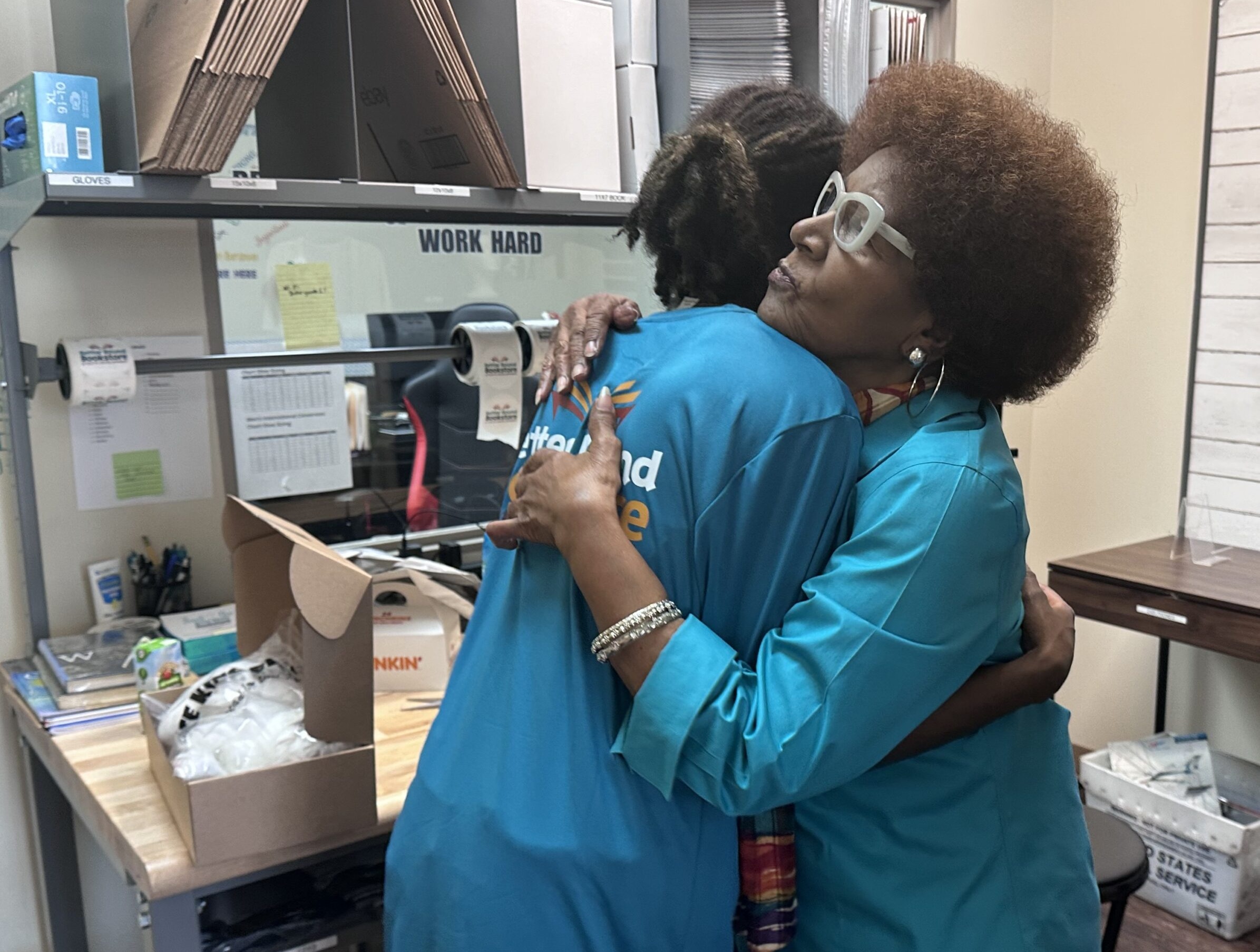
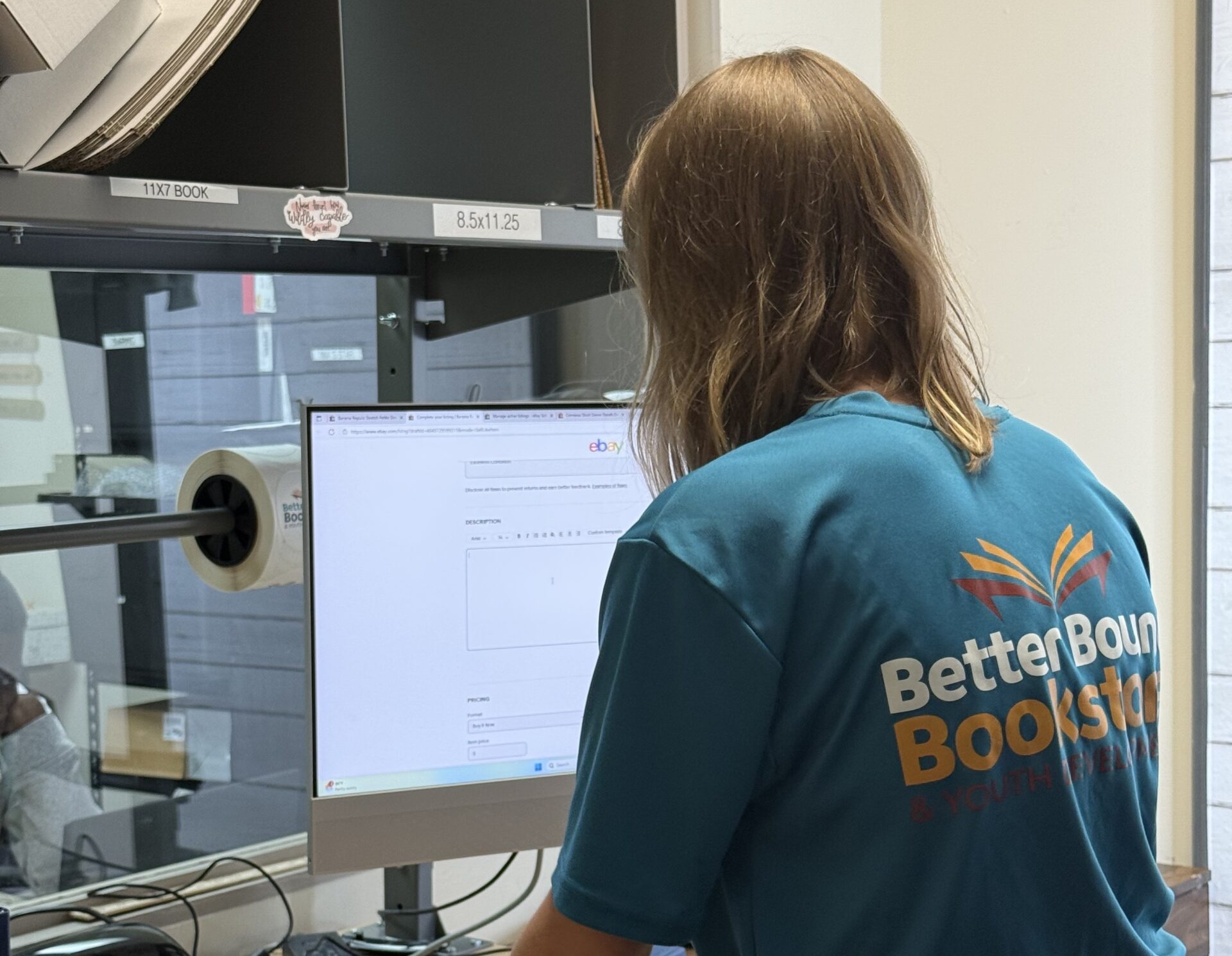
At Better Bound Bookstore & Youth Development, at-risk youth gain experience with responsibilities connected to a real resale business while developing skills such as critical thinking, creativity, decision-making, leadership, and problem-solving.
Hands-on experiences like these provide practical opportunities to develop life skills for teens in a supportive setting. Young people can practice making decisions, learn from mistakes, build confidence, and connect what they are learning with situations they may encounter in future workplaces.
4. Accepting Feedback and Taking Responsibility
Receiving constructive criticism can be difficult, especially for someone with limited workplace experience. However, feedback is often how employees learn what they are doing well and where they need to improve.
One of the most valuable life skills for teens is learning to hear constructive feedback without immediately becoming defensive.
For at-risk teens, a supportive workplace or youth development program can provide opportunities to experience feedback as a tool for growth rather than simply as criticism.
A productive response might be as simple as listening carefully, asking how to improve, and applying the feedback to the next task.
Accountability is closely related. Mistakes happen. Workplace maturity means acknowledging them, helping correct the problem, learning from the experience, and trying not to repeat the same mistake.
5. Teamwork and Workplace Professionalism
Most jobs require people to work together. Teens should understand that being a good employee means contributing to the larger team, not simply completing individual assignments.
Teamwork includes respecting coworkers, sharing responsibilities, communicating clearly, helping when appropriate, and handling disagreements constructively.
Professionalism brings many workforce readiness youth skills together. It can include appropriate workplace behavior, reliability, respect, initiative, personal presentation, communication, and a willingness to learn.
These expectations may seem obvious to an experienced worker, but they must be learned. Giving at-risk youth opportunities to develop life skills for teens while practicing professional behavior can help prepare them to navigate the workforce more independently and close an important experience gap.
A teenager does not need years of experience to act professionally. Professional habits can begin with something as simple as arriving prepared and doing what was promised.
6. Money Management and Independent Living Skills
Receiving a first paycheck creates an excellent opportunity to teach financial responsibility.
Budgeting, understanding expenses, opening and managing a bank account, learning how credit works, distinguishing needs from wants, and saving toward goals are important life skills for teens that can support long-term independence.
Financial literacy can be especially valuable for at-risk youth approaching adulthood. Young people who understand how earnings connect with housing, transportation, food, utilities, credit, and other expenses are better equipped to make informed financial decisions.
Developing life skills for teens also means preparing young people for practical adult responsibilities such as transportation, identification documents, community resources, and understanding the real cost of independent living.
Connecting employment with these everyday responsibilities helps young people understand an important lesson: earning money is only one part of becoming financially independent.
7. Confidence, Initiative, and Self-Advocacy
Confidence grows through experience. Completing a difficult task, solving a problem, communicating with a customer, or receiving positive feedback can help a young person recognize what they are capable of accomplishing.
That can be particularly meaningful for at-risk youth who may not always have had consistent opportunities to experience success in traditional environments.
Initiative means learning to identify what needs to be done rather than always waiting for someone else to provide direction.
Self-advocacy is equally valuable. Teens should become comfortable asking appropriate questions, requesting clarification, expressing concerns respectfully, and seeking resources when they need assistance.
Together, these life skills for teens help young people become active participants in their own development rather than passive observers of what happens around them.
Frequently Asked Questions
-
What are the most important life skills for at-risk teens?
The most important life skills for at-risk teens include communication, time management, problem-solving, decision-making, teamwork, accountability, financial literacy, and self-advocacy. Developing these skills can help young people become more confident, responsible, and prepared to manage workplace expectations and the responsibilities of adulthood.
-
Why are life skills important for at-risk youth entering the workforce?
Life skills help at-risk youth prepare for responsibilities they may encounter at work and in everyday life. Skills such as reliability, communication, accepting feedback, managing money, and making thoughtful decisions can help young people overcome barriers, adjust to professional environments, and become more independent.
-
How can at-risk teens develop job readiness skills?
At-risk teens can develop job readiness skills through hands-on employment, youth development programs, mentoring, volunteering, school activities, and other structured experiences. Opportunities to practice communication, teamwork, punctuality, problem-solving, and accountability can help teens understand what employers expect before they enter the workforce independently.
-
What professional skills should at-risk youth learn before getting a job?
At-risk youth should learn professional communication, active listening, punctuality, teamwork, workplace etiquette, problem-solving, accountability, and how to accept constructive feedback. These teen professional skills help young workers interact appropriately with supervisors, coworkers, and customers while developing habits they can carry into future employment.
-
How can youth development programs help at-risk teens prepare for adulthood?
Youth development programs can help at-risk teens prepare for adulthood by providing supportive environments where they can develop employment, financial, social, and independent living skills. Hands-on work experience, mentorship, financial literacy, decision-making, and opportunities to practice responsibility can help young people build confidence while preparing for employment and greater independence.
Helping At-Risk Youth Prepare for Work and Adulthood
The goal of workforce preparation should not simply be helping a teenager get hired. For at-risk youth, effective preparation should also provide opportunities to develop the confidence, practical knowledge, professional habits, and independent living skills needed to build a more stable future.
Communication, reliability, problem-solving, financial literacy, teamwork, accountability, and professionalism are valuable in nearly every career. These abilities also strengthen relationships, education, decision-making, and everyday responsibilities.
Better Bound Bookstore & Youth Development provides at-risk youth in Rock Hill, South Carolina, with opportunities to develop employment and personal skills through meaningful work, mentorship, and youth development experiences. By investing in life skills for teens and providing young people with opportunities to put those skills into practice, Better Bound helps prepare youth not only for their first jobs, but for greater independence and the opportunities that can follow.
If you would like to help Better Bound create opportunities for at-risk youth, learn more about our youth development impact and how you can support our mission.