Paid Job Training for At-Risk Youth
The Proven Value of Paid Job Training for At-Risk Youth and Its Role in Long-Term Success
Paid job training for at-risk youth is one of the most effective ways to create stability, confidence, and long-term opportunity for teens facing real-world challenges. At-risk youth often encounter barriers such as limited job exposure, unstable environments, low academic confidence, and few opportunities to earn a meaningful income. Paid job training for at-risk youth addresses these challenges directly—combining workforce development, job readiness training, and real-world experience to help young people build a path toward long-term employability and economic mobility.
Paid Job Training Provides Immediate Stability and Motivation
For many at-risk teens, financial strain is a daily reality. Paid job training for at-risk youth removes a major barrier: choosing between earning money and learning new skills.
According to the U.S. Department of Labor’s Growth Opportunities program, paid job training for at-risk youth helps participants build conflict-resolution skills, explore careers, develop strong work habits, and earn income that contributes toward a sustainable future. These programs are specifically designed to serve youth in high-risk environments and provide structured pathways to employment.
Similarly, research from the Congressional Research Service highlights that federal youth employment programs aim to connect vulnerable youth to meaningful work experience while offering supportive services and educational pathways. Paid job training for at-risk youth plays a central role in keeping teens engaged who might otherwise disengage.
Paid Work Experience Improves Long-Term Outcomes
One of the strongest arguments for paid job training for at-risk youth comes from research on structured paid internships.
A study from Virginia Commonwealth University (VCU) examined the Start on Success model, which combines career education with paid job training for at-risk youth through internships. Findings show that participants experienced:
- Higher self-determination
- Better post-graduation employment outcomes
- Increased likelihood of pursuing further education
The study concluded that paid job training for at-risk youth, when paired with real-world experience, significantly improves long-term success.
These findings align with broader research showing that youth employment programs that include paid components lead to stronger career readiness and long-term employability.
Paid Job Training Builds Essential Workforce Skills
Young people often lack access to environments where they can develop practical skills. Paid job training for at-risk youth provides hands-on opportunities to build critical job skills for teens through real work experience.
The U.S. Department of Education and Jobs for the Future emphasize that paid work-based learning—including internships and employment—is essential for developing workplace responsibility, communication skills, and professionalism. These competencies are foundational to effective workforce development and career readiness.
Additionally, national workforce strategies from the U.S. Department of Labor reinforce that paid job training for at-risk youth supports career exploration, job readiness training, soft-skill development, and technical certifications that prepare teens for future employment.
When teens are compensated, participation increases—and so does engagement, skill application, and long-term impact.
Paid Job Training Opens Doors to Opportunity
Many at-risk youth lack access to professional networks, mentors, or career exposure. Paid job training for at-risk youth helps bridge this gap by placing teens in real work environments where they can build connections and confidence.
Research from the Youth Demonstration Development Project shows that many youth facing barriers need opportunities that provide both immediate income and long-term advancement potential. Paid job training for at-risk youth helps participants access career pathways—even when they face educational gaps or systemic challenges.
When youth employment programs include paid opportunities, participants are more likely to:
- Stay enrolled
- Complete training
- Gain marketable skills
- Build professional networks
- Transition into meaningful employment
Paid Training Strengthens Communities and Economic Mobility
Paid job training for at-risk youth benefits more than individuals—it strengthens entire communities.
The WorkRise Network highlights that employment-focused strategies improve economic mobility, support career advancement, and strengthen the workforce pipeline. Paid job training for at-risk youth plays a critical role in these outcomes by helping young people build both job experience and long-term financial stability.
Communities benefit from:
- Reduced youth unemployment
- Increased financial stability
- Higher graduation and postsecondary enrollment rates
- A stronger, more prepared workforce
Frequently Asked Questions
-
1. What is paid job training for at-risk youth?
Paid job training for at-risk youth provides teens with real work experience while earning income, helping them build job skills and financial stability.
-
2. Why is paid job training important for at-risk youth?
It increases engagement, improves career readiness, and helps youth develop essential workplace and life skills.
-
3. Who benefits from paid job training programs?
At-risk teens, disadvantaged youth, and families seeking structured support and career opportunities benefit the most.
-
4. How does paid job training improve long-term outcomes?
Research shows it leads to better employment opportunities, higher education participation, and stronger economic stability.
-
5. How can parents find paid job training programs?
Parents can connect with local organizations offering workforce development and youth employment programs in their community.

Local Impact: Supporting Youth in Rock Hill and Beyond
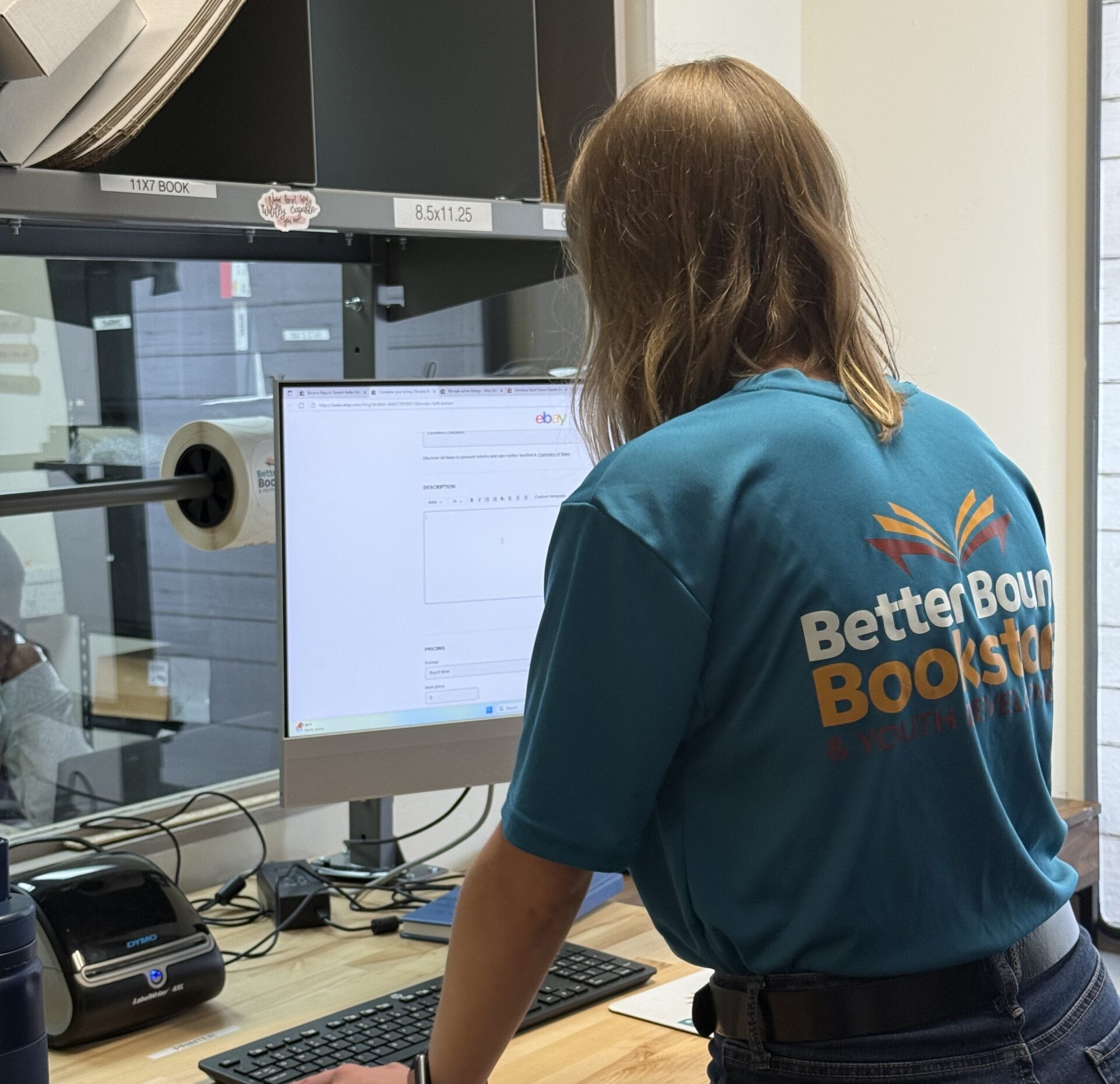
Better Bound Bookstore & Youth Development of Rock Hill brings the proven benefits of paid job training for at-risk youth directly to the community.
Serving areas including Fort Mill, Lesslie, India Hook, Newport, Tega Cay, Catawba, and Lake Wylie, these programs provide structured pathways to employment for at-risk teens, underserved youth, and families seeking guidance and stability.
For parents seeking help for troubled teens, these programs offer more than support—they provide direction, opportunity, and a clear path forward.
Conclusion: A Proven Path to Long-Term Success
Paid job training for at-risk youth is more than a short-term solution—it is a research-backed strategy for building confidence, skills, and long-term opportunity.
By combining workforce development, supportive services, and real-world experience, these programs help youth facing barriers achieve:
- Career readiness
- Long-term employability
- Financial stability
- Economic mobility
Better Bound Bookstore & Youth Development provides workforce development, job readiness training, and supportive services to at-risk teens, disadvantaged youth, and families seeking stability. With years of experience supporting youth in need of guidance, their programs are designed to create lasting employment outcomes and stronger futures.